
One restaurant meal will not undo your week
What is worth changing when you eat out, and what is not worth another minute of worry.
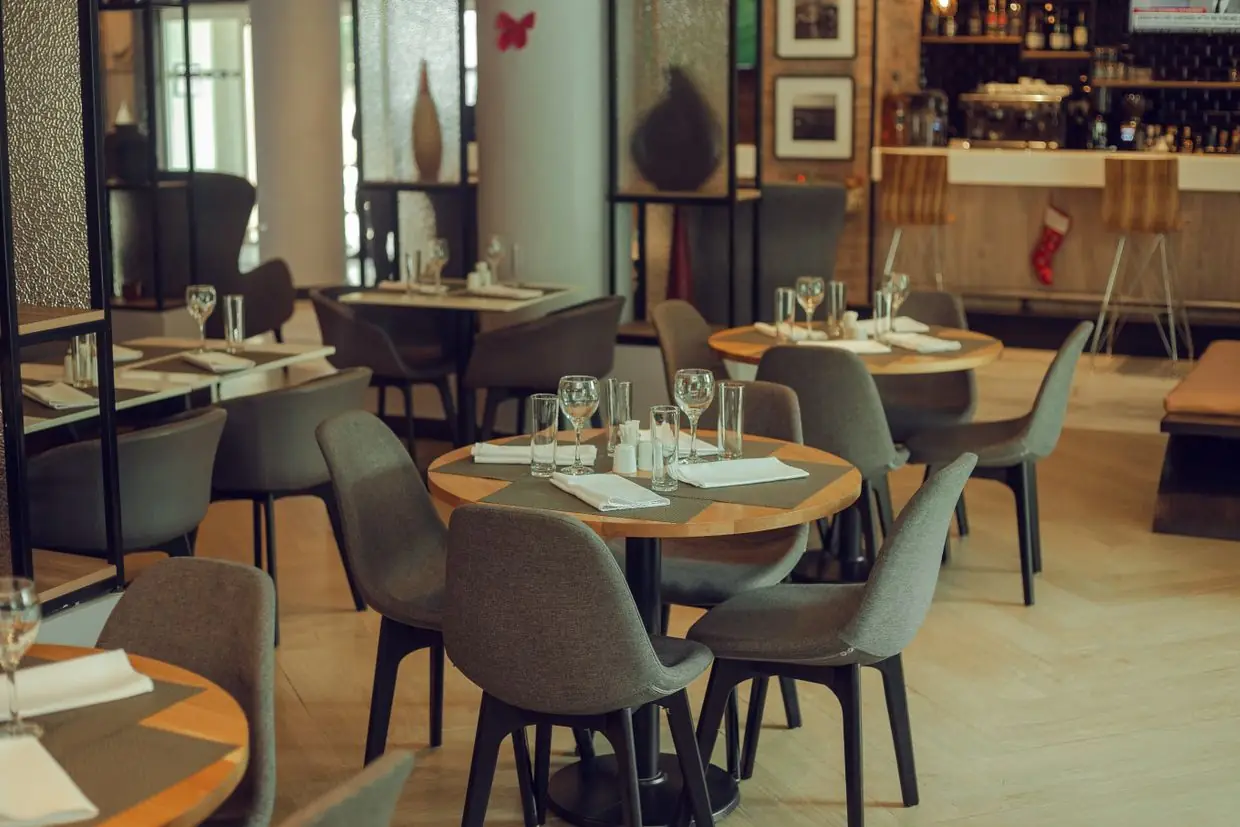
The menus come around. Someone has already asked for the wine list. You are four days into a week where your numbers finally looked steady, and now there is a page in front of you with no nutrition information on any of it.
Most people in that chair do one of two things. They order what they actually wanted and spend the evening quietly feeling bad about it, or they order the plainest thing on the page and feel left out of their own night.
There is a third option, and it starts with knowing which parts of a restaurant meal matter.
What one meal does, and what it does not
A big meal produces a rise. That is digestion, not a malfunction. The rise from a restaurant meal is often larger than the one you get at home, and it can also arrive later, because fat and protein slow the whole process down. A rich dinner can show up at bedtime, or in your morning reading, rather than two hours after you eat. Worth knowing in advance, so a late number does not read as something going wrong.
What one meal does not do is move your A1C. That number averages months of days and has no room in it for one Friday. Blood pressure works on a similar timescale: a salty meal can nudge tomorrow’s reading and put a pound of water on the scale, and both settle.
A restaurant meal is one evening. Your body reads the pattern of the weeks.
Salt is the part almost everyone underestimates
The sugar in a restaurant meal is visible. You can see the rice, the bread, the dessert. The salt is not, because it went into the broth, the brine, the marinade, the dressing and the bread itself long before anything reached the table.
Health Canada’s advice for most adults is to aim for less than 2,300 mg of sodium a day. Restaurant kitchens are not cooking to that figure, and they are not hiding anything from you. Salt is simply how restaurant food is made to taste like restaurant food. Where a chain posts its nutrition information online, sodium is the line worth looking at before you go, more than the calories.
A salty meal does not cancel your blood pressure medication or your last month. If you have heart failure or kidney disease, your care team may have given you a tighter sodium target and a specific plan for eating out, and that plan beats anything in this article.

Ordering in a way that helps, without ordering sadly
None of these need a special menu, and none of them require explaining your health to a server.
- Ask for the sauce or dressing on the side. The best ratio of effort to effect on the list, because that is where a great deal of the salt and the sugar sits.
- Shrink the starch rather than banning it. Half the rice, half the fries, and something green in the space it leaves.
- Start with the vegetables and the protein. Some people find that leaving the starch until later in the meal gives a gentler rise. It costs nothing to try.
- Keep water on the table and drink it alongside whatever else you are having.
- The bread basket is not a moral event. It is carbohydrate arriving before anything else. Have some, or move it down the table.
Alcohol earns its own paragraph
Alcohol lowers blood sugar, and it does it late. While your liver is processing a drink, it does less of its usual work of releasing glucose into your blood, and that effect can last for hours, including while you are asleep.
This matters most if you take insulin or a sulfonylurea such as gliclazide, glyburide or glimepiride, because those can cause a low on their own. The genuinely dangerous part is that the early signs of a low, unsteadiness and confusion and slurred words, look exactly like the drink. Eating while you drink helps. So does telling whoever you are with what a low looks like on you.
If you take metformin, heavy drinking is worth a specific conversation with your prescriber rather than a general reassurance here. For how much is reasonable in the first place, Canada’s Guidance on Alcohol and Health, published by the Canadian Centre on Substance Use and Addiction, is the reference your care team will work from.
When the meal is two hours later than you eat at home
Restaurant meals run late, and medication that is tied to eating does not care about the reservation.
A sulfonylurea taken at your usual time when the food arrives ninety minutes later is a real setup for a low. Metformin is usually taken with food because it is easier on the stomach that way. Mealtime insulin around a long meal with several courses is its own question entirely.
All three of those belong to the person who prescribes your medication, or to your pharmacist. Do not change, delay or skip a dose because of anything you read here. Ask once, get the answer that fits your prescription, and you will have it for every late dinner after this one.
Worth a word with your care team
- Lows after eating out or after drinking, especially overnight or the next morning. Treat the low first, then tell your care team it happened.
- Shakiness, sweating, a racing heart, confusion, or waking sweating in the night. These are signs to act on rather than wait out.
- Numbers that stay high for more than a day or two after one meal instead of settling back.
- Swelling in your ankles or breathlessness after a salty meal, if you have heart or kidney disease. That is a same-day call, not a Monday one.
- Eating out has become something you avoid. If dinner with people has quietly dropped off your life to keep your numbers tidy, that is a cost worth naming out loud.
One small place to start
Pick the next meal you already know you are going out for. Do one thing: look up the menu before you go, decide roughly what you are having while you are calm, and ask for one thing on the side when you order.
Then look at your reading the next morning rather than two hours after. It is usually less dramatic than the worry.
If you are a 360Care member and there is a restaurant, a family dinner or a work event coming up that you are dreading, message your care team in the app before it happens. That conversation is far more useful before the meal than after it.