
When your week has no schedule, your body still keeps one
Rotating shifts make meals and medication timing genuinely hard. Here is what to hold steady and what to let go.
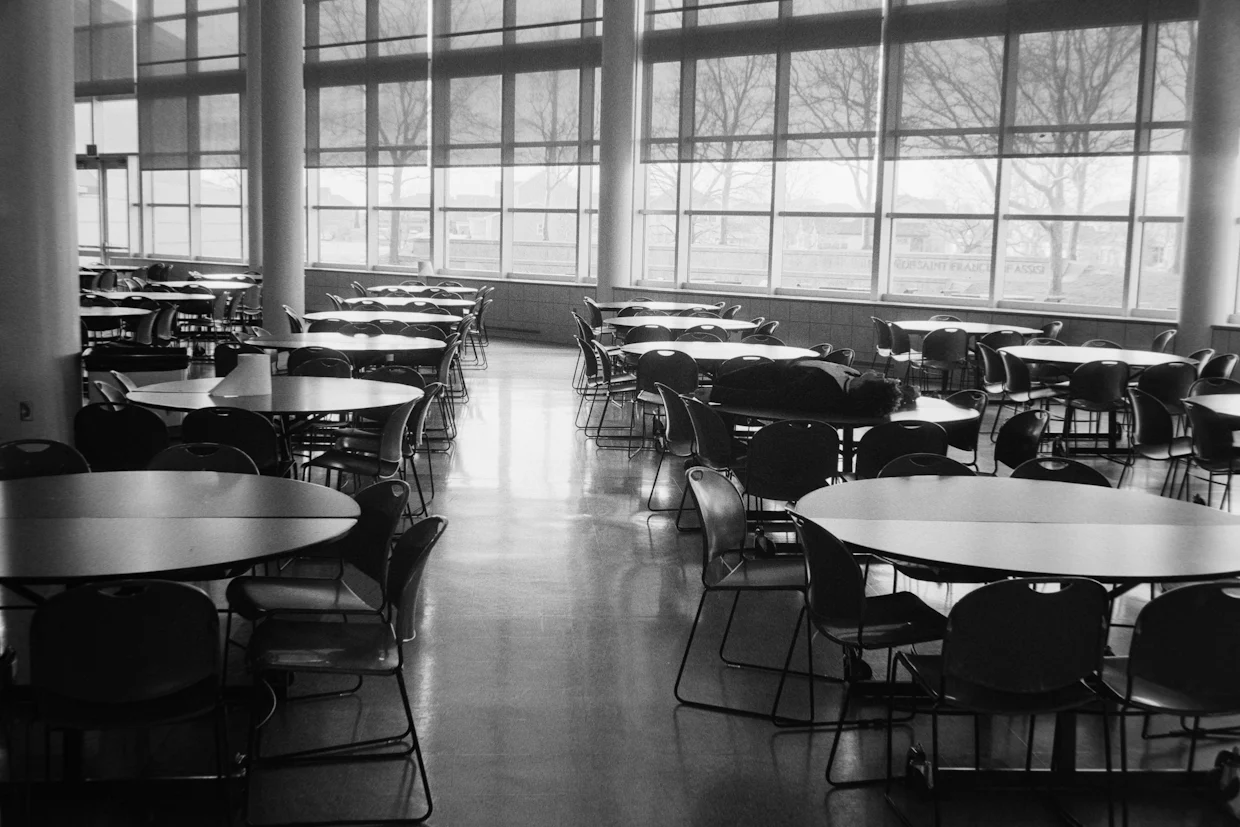
It is 3 a.m. and the break room has a vending machine, a kettle, and whatever you brought. You are eating what most people would call lunch, at an hour when most people are asleep.
Then you drive home in daylight, sleep through the middle of the day, and do it again. Or you do not, because next week the shifts rotate and the whole thing rearranges itself.
Every piece of health advice you have ever read assumes breakfast, lunch and supper, at roughly the same time, on a day that starts in the morning. That advice was not written for your week.
Why the clock shows up in your numbers
Your body runs on a daily rhythm that does not reset just because your roster did. Insulin tends to work less well at night than in the morning, so the same sandwich often produces a bigger rise at 3 a.m. than it would at noon. Blood pressure normally dips during sleep, and that dip is easier to get when the sleep is dark, quiet and unbroken.
None of that makes your condition unmanageable. It means the pattern on your meter is partly about the hour, not only about the food. If your overnight numbers run higher than your day-off numbers on the same meals, that is a known effect and not a personal failure.
It also means the fix is rarely “eat at the right time”. There is no right time available to you. The fix is something repeatable inside the shift you actually work.
The goal is not a perfect schedule. It is a schedule your body can predict two weeks from now.
Anchor the meals to the shift, not the clock
Instead of trying to hold 7, 12 and 6, hold the shape: one real meal before the shift, one during it, one after. Same shape on a day shift and a night shift, so your body gets a pattern even when the hours move.
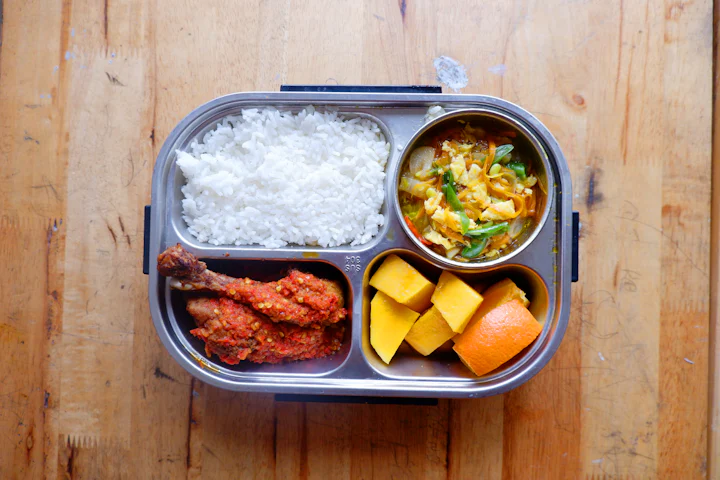
The meal during the shift is the one worth planning, because it is the one the vending machine wins by default. What travels well and holds up at 3 a.m. is unglamorous: something with protein and something with fibre. Leftovers from supper. Eggs. Beans or lentils in a soup. Plain yogurt and fruit. Whole grain bread with something on it that is not only jam.
Two things make more difference than the exact menu:
- Decide before the shift, not during it. The pack you made at 6 p.m. is the whole intervention. At 3 a.m. nobody makes a good decision about food, and that is a fact about human beings rather than about you.
- Do not skip the meal to save calories. Long stretches without food on a night shift usually end in eating more, faster, at the worst hour, and if you take certain medications it can end somewhere more serious than that.
Medication timing is a prescriber question, and here is why
This is the part of shift work that people most often solve alone, and it is the part they should not.
Some medications are tied to a clock, some to a meal, and some to sleep, and moving them is not a matter of preference.
- Metformin is usually taken with food to reduce stomach upset. If your “supper” is now at 4 a.m., the question is which meal it should travel with, and that has an answer.
- Sulfonylureas, such as gliclazide, glyburide and glimepiride, lower your blood sugar whether or not you eat. Taking one and then having the meal delayed by a call, a code, a long haul or an overrun is the classic way to end up low at work.
- Insulin is a plan, not a dose you shift by an hour. Basal and mealtime insulin respond differently to a rotating schedule, and the adjustment belongs to the person who prescribed it.
- Blood pressure medications that make you pass urine, such as hydrochlorothiazide or furosemide, will wake you if they are taken shortly before your sleep block, whatever hour that block falls in.
Nothing here is a dose and nothing here is an instruction to change your timing. Dose and timing decisions belong to your prescriber and your pharmacist. What you can do is give them the real information: bring your actual roster, or a photo of next month’s schedule, to the appointment. A prescriber looking at a rotation can plan for it. A prescriber who thinks you work nine to five cannot.
If you miss a dose, ask in advance what to do about it. Doubling up to catch up is the most common self-fix and one of the least safe.
Protect the sleep block, even when it is a strange one
Sleep is the piece that quietly moves everything else. Short or broken sleep raises the next day’s blood sugar and appetite for most people, so the sleep block is not a luxury sitting at the end of the list.
You cannot always choose when it happens. You can usually make it dark, cool and phone-free, keep it in one piece rather than two, and hold it at the same hours on the days a rotation allows. Blackout curtains and earplugs are cheap and they work.

Worth a word with your care team
Some of this needs a conversation before your next rotation, not after it.
Tell your care team if you have had a low blood sugar at work, or if you have stopped feeling the early warning signs of one. Shakiness, sweating, a pounding heart, confusion and irritability are the usual signals, and they are easy to mistake for the ordinary state of being awake at 4 a.m. Losing those signals is called hypoglycemia unawareness, and it changes the plan.
Say so plainly if you drive home after a shift. If you take insulin or a sulfonylurea, there are rules about checking before you drive, and there is a real answer to what to keep in the car.
Call the same day for chest pain or pressure, breathlessness that is new, fainting or near fainting, or blood sugars that stay high across a whole shift with heavy thirst and constant urination. Go to emergency for chest pain with sweating or nausea, for vomiting with abdominal pain and rapid breathing, or for a low blood sugar someone else had to help you treat.
And if you are falling asleep at the wheel on the drive home, that is a clinical problem with a clinical answer, not something to push through until the rotation changes.
One small place to start
Take a photograph of next month’s schedule and send it to your care team in the app.
That single picture is what turns generic advice into a plan: which meal your metformin travels with on nights, what to carry in the car, and when to take the blood pressure pill so it does not wake you.
If you are a 360Care member, message us the roster and we will work from the week you actually have.