
Most of your salt never came from the shaker
Taking the shaker off the table changes very little. Here is where the sodium actually is.
Almost everyone told to watch their salt does the same first thing: takes the shaker off the table. It is the visible salt, so it feels like the obvious lever.
It is a small lever. For most people, the salt they add while cooking and at the table is a modest share of what they eat in a day. The great majority arrives already inside food that was made somewhere else.
That is good news, oddly. It means the change that matters is not about eating bland food. It is about knowing which few items are carrying the load.
Where it actually is
Sodium hides in things that do not taste especially salty, and it hides in the ordinary rather than the indulgent.
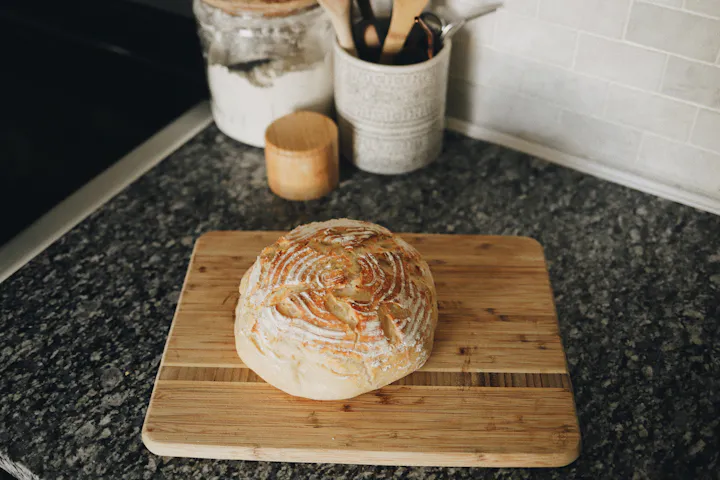
- Bread and baked goods. Not salty tasting, eaten several times a day, which is what makes them add up.
- Processed meats. Deli slices, bacon, sausages, ham. The single densest source in most kitchens.
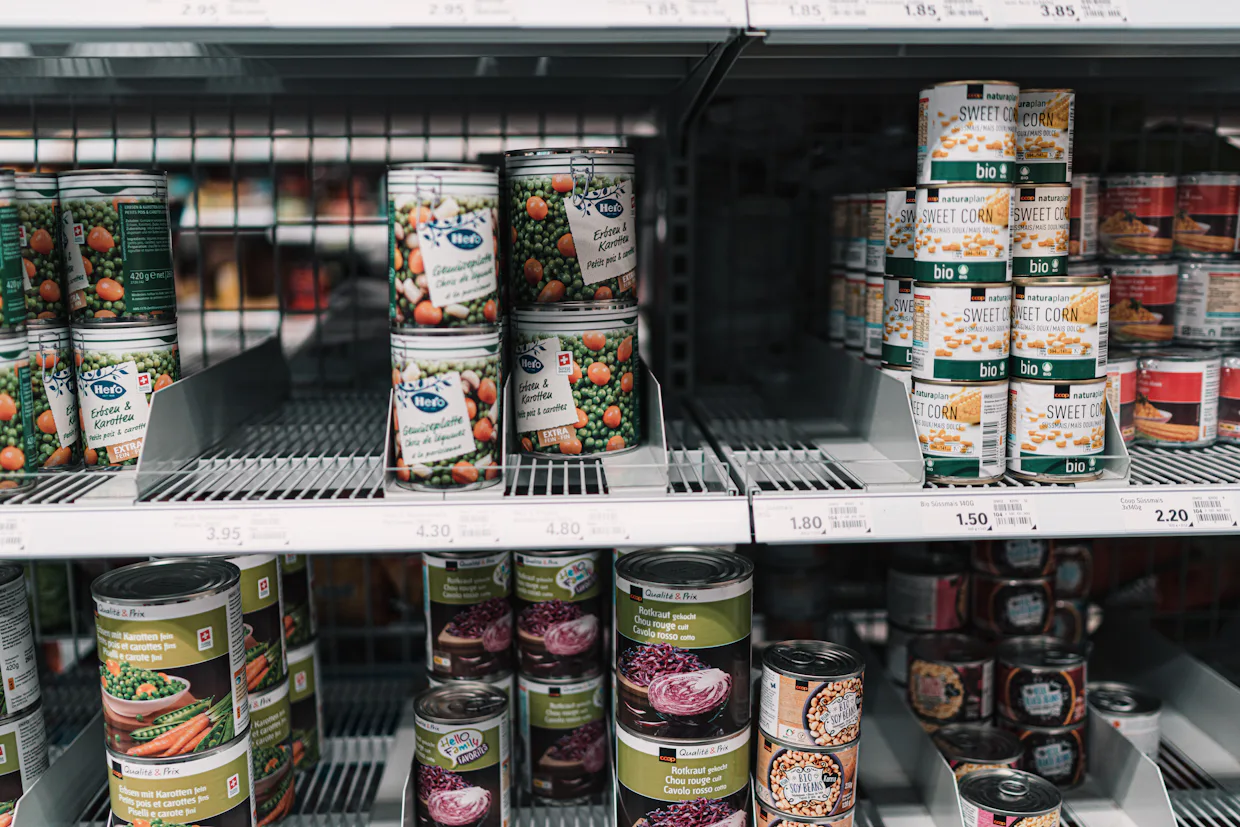
- Canned soups and canned vegetables, and instant noodles and boxed sides.
- Cheese, especially processed slices and the harder aged cheeses.
- Sauces and condiments. Soy sauce, ketchup, salad dressing, gravy mixes, jarred pasta sauce.
- Restaurant and takeout food, where a single main dish can carry more sodium than a whole day’s target.
Health Canada’s recommendation is under 2,300 mg of sodium a day for adults, and most people in Canada eat well over that. If you have high blood pressure, your care team may aim lower with you. That is a conversation about your numbers, your kidneys and your medications, not a number to pick off the internet.
You do not have to eat bland food. You have to know which four or five items in your week are doing most of the damage.
Reading the label without doing arithmetic
Every packaged food sold here carries a Nutrition Facts table, and it gives you a shortcut so you do not have to add milligrams in your head.
Look at the % Daily Value beside sodium. The rule of thumb is simple: 5% or less is a little, 15% or more is a lot. That is per serving, and the serving on the package is often smaller than the amount a person actually eats, so check whether you are eating one or two.
Two habits do most of the work:
- Compare two brands of the thing you buy weekly. Bread, sauce, deli meat, canned soup. Between the highest and lowest option on the same shelf there is often a two or threefold difference in sodium for food that tastes the same to you.
- Rinse canned beans and vegetables in a colander. It takes a moment and washes away a meaningful share of the sodium in the can.
Words on the front matter less than the table on the back. “Sea salt” and “Himalayan salt” are salt. “Reduced sodium” only means less than that brand’s usual version, which can still be a lot.
What actually happens when you cut back
Blood pressure responses to sodium vary a lot between people. Some see a real drop within a few weeks, some see very little. That is normal, and it is not a sign you did it wrong.
Your taste changes faster than you would expect. Most people find that after two or three weeks of less salt, the food they used to eat tastes too salty. It is a genuine recalibration, not resignation.
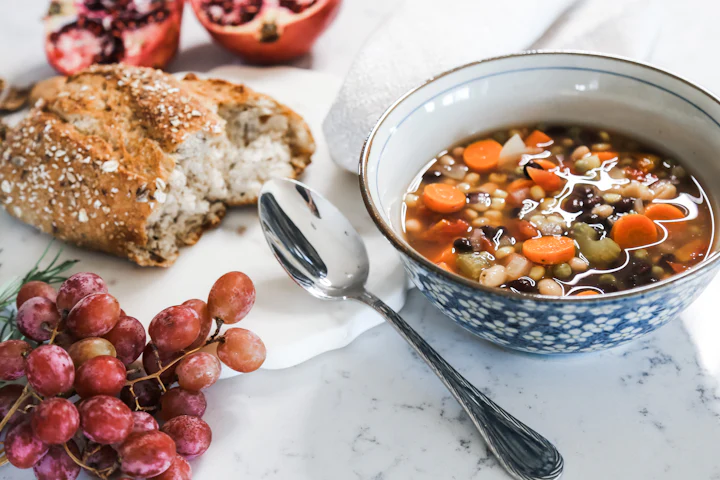
Meanwhile, the things that carry flavour without sodium are worth leaning on: acid, from lemon or vinegar; heat, from pepper or chili; aromatics, from garlic, onion and ginger; herbs and toasted spices. Salt is one lever for making food taste of something, and it is the only one that touches your pressure.
Two cautions worth reading before you change anything
Salt substitutes are not automatically safe. Most “no salt” or “lite salt” products replace sodium with potassium. That is fine for many people and genuinely risky for others: if you have kidney disease, or take an ACE inhibitor, an ARB, spironolactone or another potassium sparing medication, extra potassium can build up in your blood and affect your heart rhythm. Ask before you buy one. This is not a scare story, it is a five second question with a clear answer.
Do not stop or adjust a blood pressure medication because your readings improved. Lower readings while on treatment mean the treatment is working. Changing the dose is a decision for the person who prescribed it, with your readings in front of them.
And if you are drinking much less fluid, feeling dizzy on standing, have heart failure, are pregnant, or are on a fluid or potassium restriction, your sodium target is a clinical decision rather than a general guideline. Say so before you make changes.
One small place to start
This week, do one thing: pick the packaged item you eat most often and read its sodium line. Bread for most people, or whatever your version of everyday is.
Then, next time you are in the store, compare it against the two brands beside it and take the lowest one that you will actually eat. That is the whole task. It costs nothing, changes no meals, and for a lot of people it is a bigger cut than emptying the shaker ever was.
If you are a 360Care member, take a photo of the label and send it to your care team in the app. Your dietitian will tell you plainly whether it is worth switching, and which two items in your week are worth looking at next.