
Alcohol, and the low that arrives at three in the morning
The drink is not the whole story. What alcohol does to your blood sugar often happens hours later, while you are asleep.
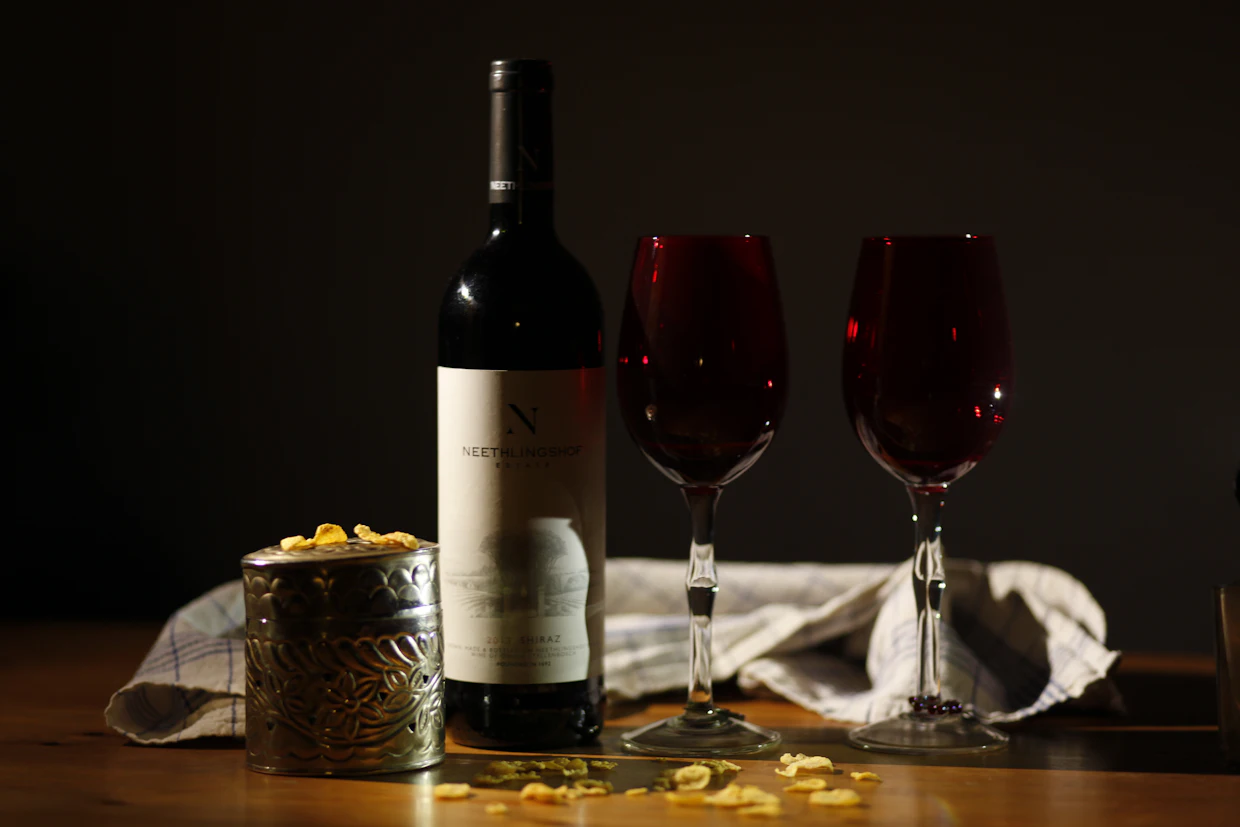
It is a Friday. Someone hands you a beer on a patio, or pours you a glass of wine at a dinner you did not cook. You have diabetes, or high blood pressure, or both, and somewhere in the back of your mind is a rule you half remember about whether you are allowed this.
Most people worry about the sugar in the glass. That is the part you can see.
The part worth understanding is what happens four or eight hours later, long after the glass is empty and you have gone to bed.
Why the number often falls, not rises
Your liver does two jobs that matter here. It clears alcohol out of your blood, and it releases stored sugar into your blood to keep your level steady between meals and overnight.
It puts the second job down to do the first. While your liver is busy with alcohol, it releases less of that stored sugar. So your blood sugar can drift low hours after you finish drinking, often overnight, and often on a night when you have done nothing differently otherwise.
Many drinks also carry carbohydrate. Beer, cider, sweet wine, coolers and anything mixed with juice or regular pop will push your number up first. That gives the pattern that catches people out: up in the evening, then down in the small hours, when nobody is checking.
This is not a reason nobody with diabetes can drink. It is a reason the timing of the risk is not where most people look for it.
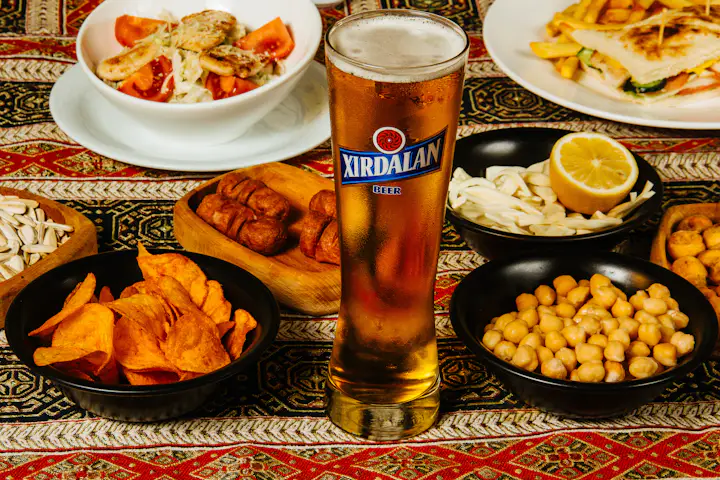
The risk is not really in the glass. It is at three in the morning, when nobody is checking.
Which medications make this matter more
This is the part to be specific about, because the risk is not the same for everyone.
If you take insulin, or a sulfonylurea such as gliclazide, glyburide or glimepiride, your medication actively lowers your blood sugar whether or not your liver is helping. Alcohol removes some of the backstop. Those are the combinations where a low is most likely and most likely to be serious.
Metformin on its own rarely causes low blood sugar. The concern with metformin is different: heavy or binge drinking is hard on the liver and raises the risk of a rare but serious problem called lactic acidosis. Worth knowing, and worth an honest conversation about how much you actually drink.
Two other interactions are specific enough to name. Metronidazole, an antibiotic sold as Flagyl, causes flushing, nausea and vomiting when it is combined with alcohol, and that includes for a period after the course ends. And if you take medication for blood pressure, alcohol widens your blood vessels in the short term, so the two together can leave you lightheaded when you stand up.
None of this is a list of things to stop. Your prescriber decides what you take and at what dose, and no article can adjust a prescription. What an article can do is tell you which conversation is worth having.
The low that looks like being drunk
A low blood sugar and being drunk look almost identical from the outside. Slurred words, stumbling, confusion, sweating, a personality that is suddenly not yours.
That similarity is the actual danger. It means the people around you, and sometimes you, will explain away something that needs treating. It also means that if you are alone, a low can go a long way before anyone notices.
Two things make it safer. Tell at least one person you are with that you have diabetes and that a low can look like this. And if you take insulin or a sulfonylurea, check your blood sugar before bed on a night you have been drinking, rather than in the morning when you find out what happened.
Worth knowing as well: glucagon, the emergency injection some people carry for a severe low, works by asking the liver to release stored sugar. When alcohol is involved, the liver may not answer. That is why an alcohol-related severe low needs food, sugar and medical help rather than confidence.
What it does to blood pressure
Over weeks and months, regular drinking raises blood pressure. Not just on the night, in the average.
The useful part of that is that it works in both directions. People who cut back often see their readings come down over the following weeks, and the effect is large enough to see on a home monitor. If you are taking readings at home already, this is a change you can watch happen rather than take on faith.
Canada’s Guidance on Alcohol and Health, published by the Canadian Centre on Substance Use and Addiction in 2023, describes the risk as continuous rather than a line you cross: two standard drinks or fewer in a week is low risk, three to six is moderate, and risk climbs from there. A standard drink in Canada is smaller than most poured drinks: 341 mL of 5% beer, 142 mL of 12% wine, or 43 mL of 40% spirits.
That guidance is for the general population. Yours may be different, and for some people the answer is none.
Worth a word with your care team
Bring this up before the occasion rather than after, and be straightforward about how much you actually drink. Nobody on your care team is scoring you.
Say something specifically if you take insulin or a sulfonylurea, if you have had lows you could not explain, if you have liver disease, pancreatitis, or nerve pain and numbness in your feet, if you are pregnant or trying to be, or if you are taking a new medication and nobody told you where alcohol sits with it.
Call the same day for a low you needed help to treat, repeated lows overnight, or vomiting you cannot stop. Call 911 for a seizure, or for anyone who cannot be woken.
One small place to start
Next time you have a drink, have it with food rather than instead of food, and put a glass of water beside it.
If you take insulin or a sulfonylurea, add one more step: check your blood sugar before you go to sleep, and write down both the reading and roughly what you drank. Two or three of those entries tell your care team more about your own pattern than any general rule ever will.
If you are a 360Care member, bring those entries to your next visit or send them to your care team in the app. Ask the plain question: with what I take, on a night I have two drinks, what should I be watching for.