
A shopping list our dietitians would sign off on
Thirty ordinary items, no specialty store required.
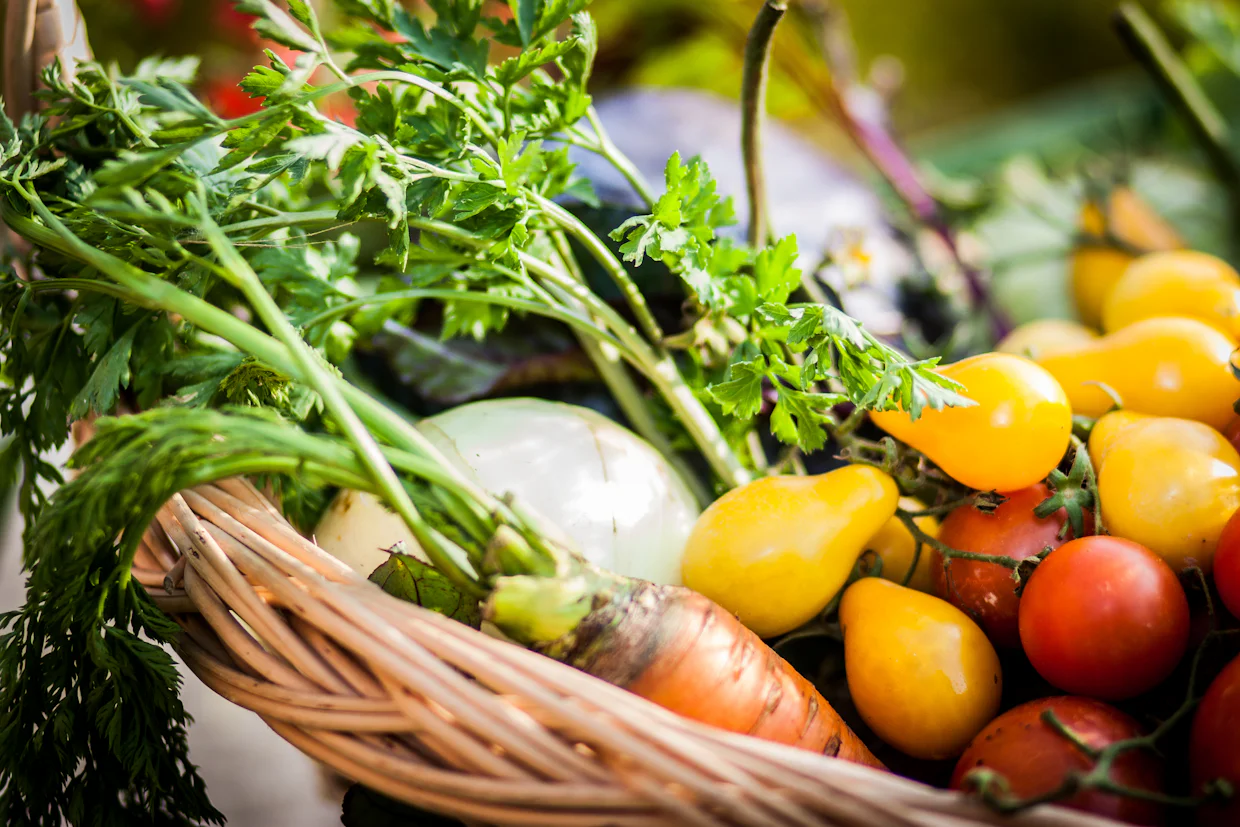
People sometimes expect a dietitian’s shopping list to be full of things they have never heard of. Ancient grains. A powder in a tub. Something with a long name from an aisle at the back of a store that is a forty minute drive away.
This list is the opposite of that. Everything on it is in an ordinary Canadian supermarket, including the discount ones. Most of it has been sold in this country for decades. A good chunk of it is frozen or in a can.
That is on purpose. A list is only useful if you can actually buy it, on a normal week, at a normal price, at the store you already go to.
The freezer aisle, first on purpose
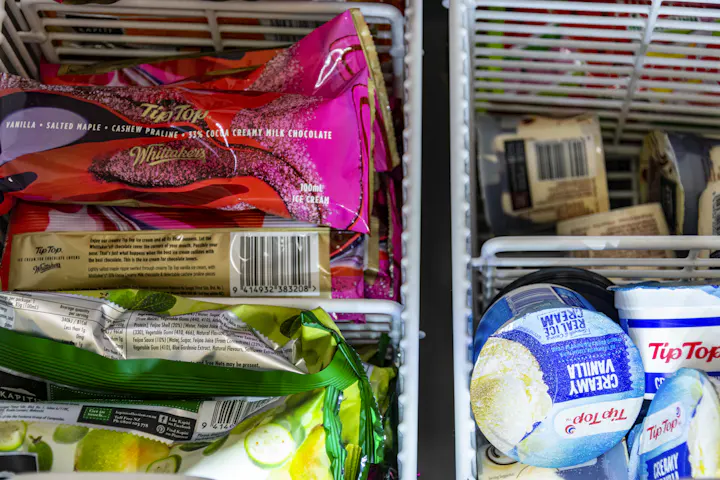
Winter here runs long. From November to May, fresh produce is shipped a long way, costs more, and is often tired by the time it reaches the shelf. Frozen produce is picked and frozen quickly, sits at the same price all year, and waits in the freezer instead of going soft in the crisper.
- Frozen mixed vegetables. Goes into anything.
- Frozen green peas. Cheap, and cooks in minutes.
- Frozen broccoli or cauliflower. No trimming, no waste.
- Frozen chopped spinach. Stirs into soups and eggs.
- Frozen berries. Far cheaper than fresh in February.
- Frozen fish fillets. Bake from frozen, no thawing.
Store brands here are the same food. The frozen peas from the yellow-label bag came off the same kind of line as the ones with a cartoon on the front.
The canned aisle
Canned beans and canned fish are some of the least expensive protein in the store, they keep for a year or more, and they need no prep beyond opening the tin. Rinsing canned beans under the tap takes off a good part of the salt if that matters for you.
- Canned chickpeas. Salads, curries, roasted.
- Canned lentils. Already cooked, ready to go.
- Canned black or kidney beans. Chili, rice bowls, soup.
- Canned diced tomatoes. The base of a lot of dinners.
- Canned tuna. Sandwiches, pasta, on its own.
- Canned salmon. Bones and all, or skinless if you prefer.
Produce that holds up
Not everything fresh is expensive. These six keep for weeks, not days, so a bag bought on Saturday is still fine the following Thursday.
- Carrots. A large bag costs very little.
- Onions. Keeps for a month in a cupboard.
- Cabbage. One head goes a long way.
- Potatoes. Cheap, filling, familiar.
- Apples. Canadian-grown for much of the year.
- Oranges. Best price and quality in winter.
Nothing on this list is aspirational. It is the stuff already in the flyer.
The fridge wall
These four are the fastest protein in the store, and they suit people who are cooking for a household with different tastes.
- Eggs. Quick at any hour.
- Plain yogurt. A large tub is cheaper than the small cups, and you decide what goes in it.
- Milk. Whatever kind your household drinks.
- Cheese in a block. Less expensive per gram than shredded.
The cupboard shelf
Grains and pantry staples are among the least expensive food in a Canadian grocery store, and they stretch everything else on this list further.
- Large flake oats. A big bag costs less than a box of anything.
- Brown rice. Keeps for a long time in the bag.
- Whole wheat pasta. Cooks like any other pasta.
- Whole grain bread. Freezes well, so a sale is worth taking.
- Peanut butter. Toast, apples, a spoon at 4pm.
The flavour shelf
A list of plain ingredients gets old without something to cook it in and something to season it with. These three do most of that work.
- Canola oil. Made in Canada, priced accordingly.
- Garlic. Fresh or the jar of minced, both fine.
- Mustard. Sandwiches, dressings, marinades.
That is thirty items. None of them come from a health food store.
About the cost
A few things worth saying plainly, because the price of food in this country is not a small matter right now.
Canned and frozen are not a lesser version of fresh. They are food that was picked, then preserved. The reason they are on this list first is that they are usually cheaper and they do not spoil while you are busy, which is two real advantages, not a compromise you are making.
Store brands are the same food. The company that makes the name brand often makes the store brand in the same plant. The difference sits in the packaging and the advertising budget.
And a bag of frozen vegetables does not go off in the crisper. Food that gets thrown away uneaten is the most expensive food there is. Buying frozen is one of the few ways to spend less and waste less at the same time.
Where this list does not apply
Some people need a different list. If you live with kidney disease, have trouble swallowing, have food allergies, or follow a specific medical diet, parts of this one may not suit you. Your dietitian can adjust it around what your body and your treatment actually call for, and that is a normal conversation to have.
Nothing here treats or controls a health condition. Groceries are groceries. What they do is make it easier to put together meals you like, on the budget and the schedule you have.
A place to start
Thirty items is a lot to bring home at once, and there is no reason to.
Pick five. Ideally five you already recognise, from the group that fits your week best. Frozen vegetables and canned beans are a reasonable place to begin, because they sit there quietly until you want them.
If you are a 360Care member, bring your actual receipt or your actual list to your next dietitian visit. What you already buy is a far better starting point than a list someone handed you.