
One pot, two plates
You should not have to cook two suppers. Cook one, and let the plate do the work.
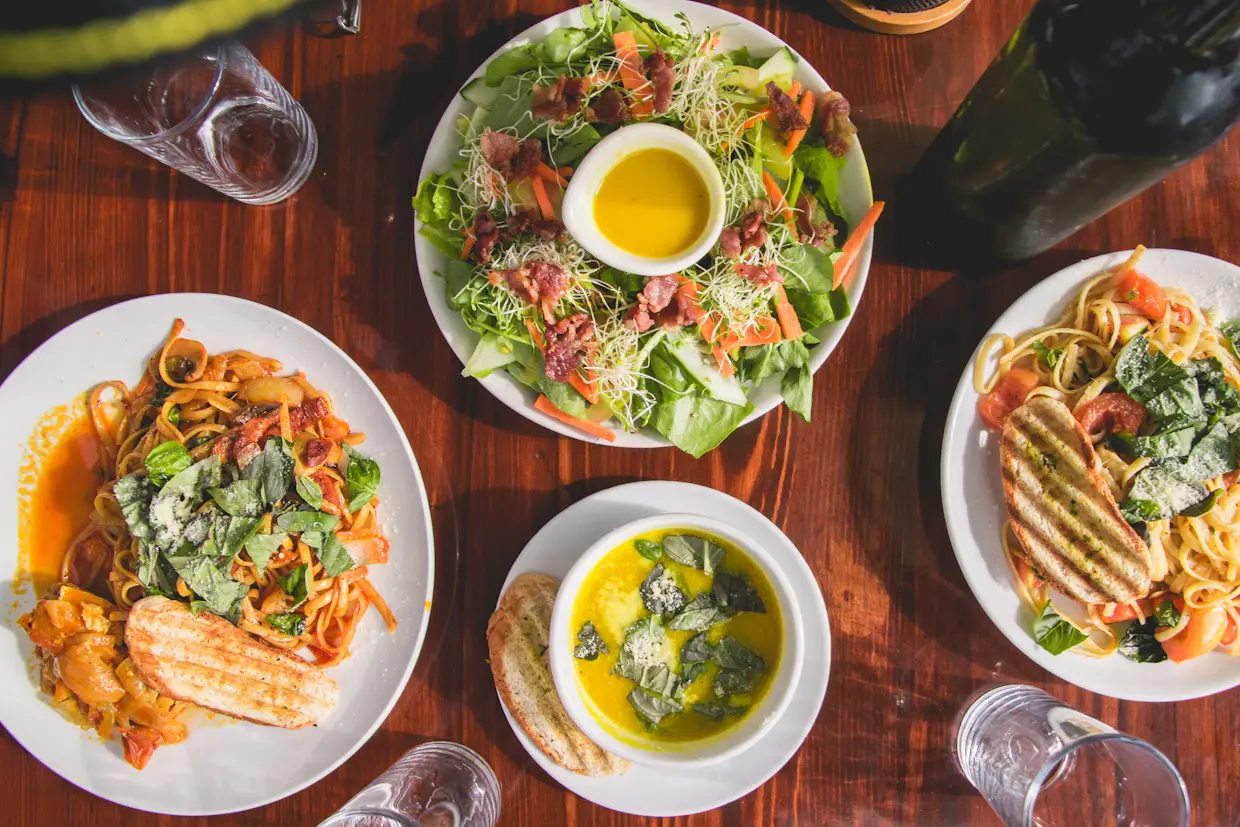
You are making supper twice. Once for the household, who want the pasta they have always had, and once for you, which is usually something beige eaten standing up ten minutes later.
Or you gave that up months ago and now you eat what everyone eats, in the amount everyone eats, and you have quietly decided not to think about it.
Both of those are exhausting, and neither is necessary. The premise underneath them is the part that is wrong.
There is no such thing as diabetes food
Nothing on your plate needs to be a special product. What changes between a supper that suits your numbers and a supper that does not is mostly proportion, and proportion is invisible in the pot. It only shows up on the plate.
That is the whole trick. If the difference happens at plating rather than at cooking, you cook once, everyone eats the same meal, and nobody at your table is eating a diet.
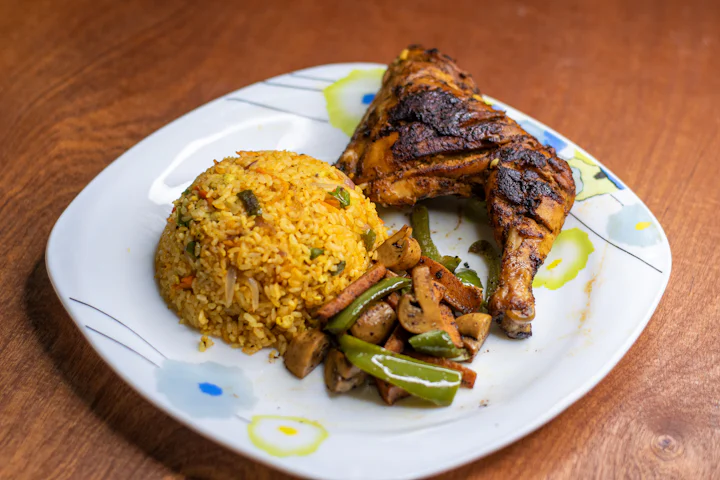
The shape most worth aiming at is the one Canada’s food guide and Diabetes Canada both use: about half the plate vegetables, about a quarter protein, about a quarter starchy food. You do not need to measure it. You need to be able to see it.
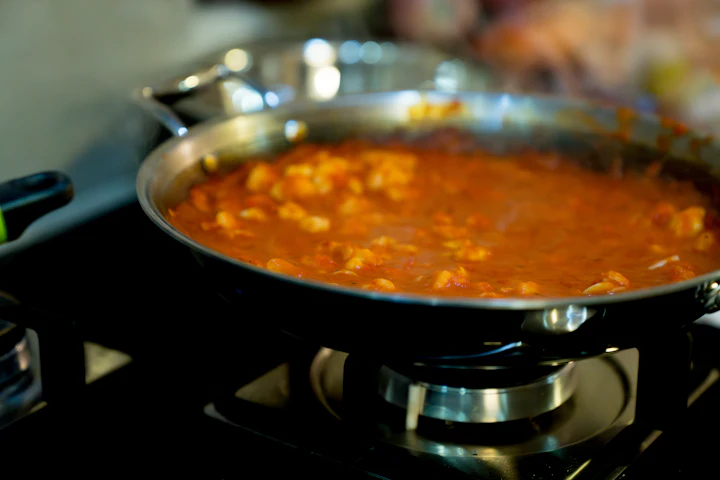
Nobody has to eat a different supper. They just do not have to eat the same amount of rice.
Cook the base together, keep the starch separate
One pot holds the part everyone shares: the protein and the vegetables, seasoned properly, in whatever form your household actually eats. Chili, curry, stew, stir fry, soup with lentils in it, a roast chicken with a tray of vegetables under it.
The starch goes in its own pot. Rice, pasta, potatoes, bread, roti, couscous. It sits on the table and people take what they take.
That one separation does almost all the work, because the starchy portion is the part of the meal with the biggest effect on your blood sugar and the part a growing teenager most wants more of. Split them and both of those are true at once, with no negotiation and no announcement.
Five suppers that already work this way, if you want somewhere to start:
- Chili or any bean stew, with rice or bread on the side rather than in it.
- Stir fry, where the vegetables and protein are the dish and the noodles or rice are beside it.
- Curry or dhal, the same way.
- Tacos and other build-your-own meals, where everything is in bowls in the middle and everyone assembles their own plate. This is the easiest version of all, because different plates are the format rather than an exception.
- A sheet pan roast, meat or fish and vegetables together, potatoes in their own corner or their own tray.
Change the things worth changing for everybody
A few adjustments are not about you at all. They make the meal better for whoever is eating it, so there is no reason to keep them on your side of the table.
Sodium. Most of it arrives in packaged and restaurant food rather than from the shaker, and Health Canada’s recommendation is under 2,300 mg a day for adults. Cooking at home is already the biggest lever. After that, it is the jarred sauce, the stock cube and the seasoning mix that carry the load, and comparing two brands of those does more than cooking blandly.
Beans and lentils. Cheap, filling, high in fibre, and they disappear into chili, soup and pasta sauce without anyone noticing. Adding a can of lentils to a meat sauce stretches the meal and improves it at the same time.
Vegetables first. Not a rule about willpower. If the vegetables are on the table already cooked and seasoned, they get eaten. If they are a side thought, they do not.
The part that is not about food
Nobody in your house wants to be managed at supper. The fastest way to make a household resist all of this is to announce it, narrate it, or comment on what someone else has taken.
So do not. Change the cooking, not the conversation. The starch moves to its own bowl and nothing is said about why. Most families do not notice for weeks, and by then it is simply how supper works.
This matters more if there are children at the table. Commenting on what a child eats, or restricting their portions to match yours, can cause problems that outlast any recipe. Children need more starchy food than you do and should not be put on an adult’s eating plan. If you are worried about a child’s weight or eating, that is a conversation for a dietitian or your family doctor, not something to run at the dinner table.
Worth a word with your care team
A few situations change the advice above, and they are worth a message before you rearrange your week.
If you take insulin or a sulfonylurea such as gliclazide, glyburide or glimepiride, how much starchy food you eat is connected to how your medication behaves. Cutting your portions substantially can bring you low, particularly overnight. That is a conversation with your prescriber before you change things, not after a bad night.
If you have kidney disease, some of the swaps above are not automatically safe. Beans, lentils, potatoes, tomatoes and salt substitutes are all higher in potassium or phosphorus, and the right amounts for you are a clinical decision. Say so before adding lentils to everything.
If you have gastroparesis, which is slow stomach emptying, a sudden increase in fibre can make symptoms worse rather than better. There is a way to do it that works, and it is slower.
Call your care team the same day for repeated vomiting, blood sugars that stay high with heavy thirst and constant urination, or a low blood sugar you needed help to treat. Those are not diet questions.
One small place to start
Pick the supper you cook most often, the one that is already in your rotation, and this week move the starch into its own pot.
Do not change the recipe. Do not announce anything. Put the rice, the pasta or the potatoes on the table separately, fill half your own plate with the vegetables first, and see what your reading looks like two hours later on that meal.
If you are a 360Care member, send your dietitian the name of that supper and what is in it. We will tell you which single change is worth making to it, and which four you can safely ignore.