
The ten-minute walk that changes your post-meal numbers
You do not need a gym membership to move the needle after dinner.
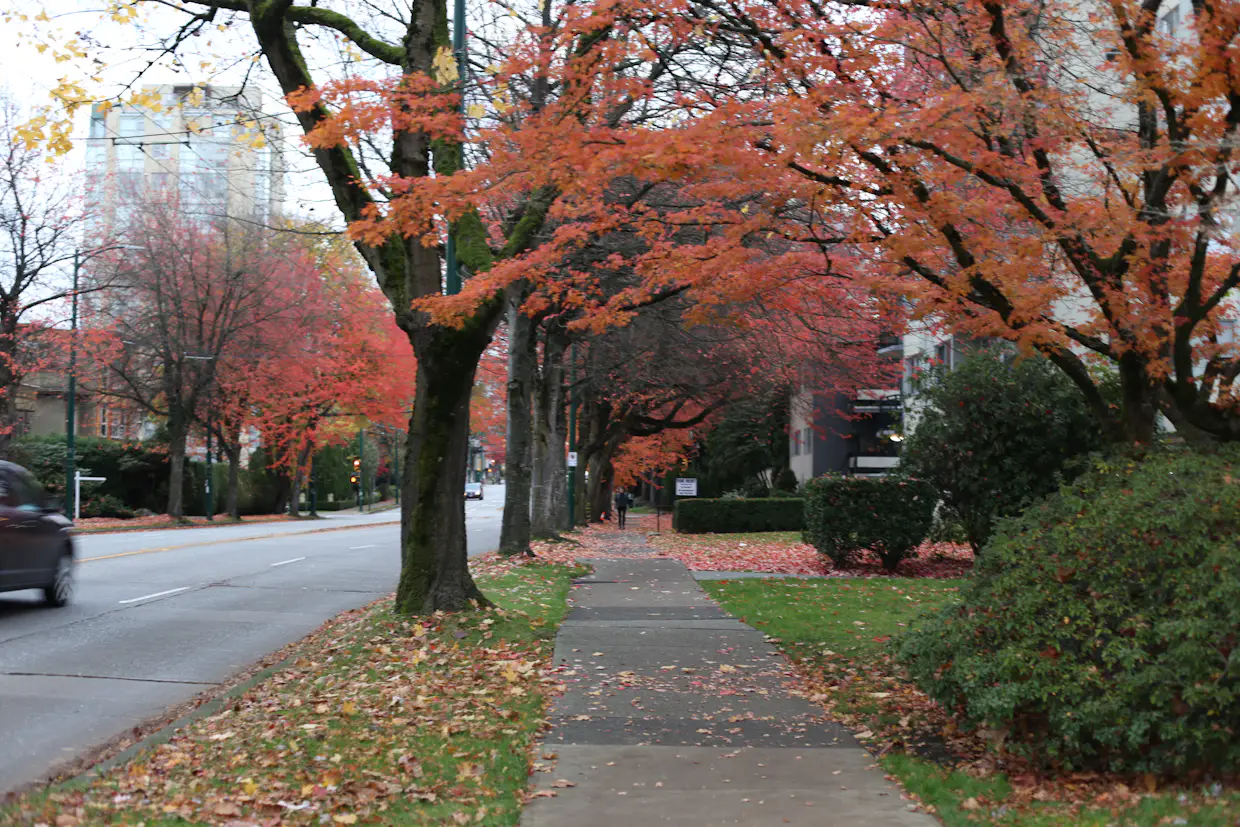
You finish supper. The plate goes in the sink. The couch is right there, and after the day you have had, sitting down is the sensible thing to do.
An hour or two later, if you check your blood sugar, the number is often higher than your target. Some people feel it as heaviness or thirst. Plenty of people feel nothing at all and only see it on a meter.
There is a small thing that changes that particular number. It takes about ten minutes, and it is not a workout.
Why moving after a meal touches the number
When you eat, food breaks down into sugar that travels in your blood on its way to your cells. That is the rise you see after a meal. Some rise is normal for everyone. With diabetes, prediabetes or insulin resistance, the rise tends to be bigger and to last longer, because sugar has more trouble getting out of the blood and into the cells that use it.
Working muscles change that. When you move, your muscles pull sugar out of your blood to burn as fuel, and they can take some of it in without waiting on the usual signals. Sugar that would otherwise sit in your blood has somewhere to go.
This is why the walk lands hardest while the food is still arriving. A slow walk shortly after eating does more for that one rise than a hard workout three hours later, once the sugar from that meal has already come and gone. Intensity is not really the lever here. Timing is.
Anywhere from a few minutes to about an hour after you finish eating is a reasonable window. Earlier in that window tends to line up better with the rise.
Ten minutes, because ten minutes survives a bad day
Ten is not a magic number. It was picked because it is small.
A thirty minute walk is a plan. Plans work on ordinary days and fall apart on the day your back hurts, the shift runs long, someone at home needs you, or you wake up flattened. Ten minutes fits inside a bad day. It fits between the dishes and the couch. It fits in slippers.
A ten minute walk you take four evenings a week also does more, over a month, than a forty minute walk you take once and never repeat. Post-meal rises happen after every meal, so what helps is something repeatable rather than something impressive.
If ten feels like too many today, take three. Three minutes after supper is a real thing on its own. It is not a failed version of ten.

The walk works because of when it happens, not because of how hard it is.
It does not have to be outside
For a good part of the year here, outside after supper is dark, icy, or both. Many neighbourhoods have no sidewalk, no lighting, or nowhere that feels safe to walk alone at night. None of that is a personal failing, and none of it cancels the ten minutes.
Indoors counts. Your muscles do not know where you are.
- A hallway, a basement, a long room, or a loop from the kitchen to the front door and back
- One flight of stairs a few times over, with a hand on the rail
- Pacing while you are on the phone, which is the easiest ten minutes most people have
- Walking the far aisles or the long corridor at work after you eat, if your break allows it
Keep a chair or a counter within reach if your balance is uncertain, and turn around often rather than going far from home. Short loops beat one long line, because you are never more than a few steps from a place to stop.
If standing and walking are hard on your knees, hips, feet or energy, seated movement counts too. Marching your legs in a chair, lifting your heels and toes, or moving your arms while sitting still asks your muscles for fuel. Your care team can help you find a version that works with your body rather than against it.
Worth a quick word with your care team
Most people can add a short walk after meals on their own. A few situations are worth mentioning first, and it is usually a short conversation.
Tell your care team before you start if you have episodes of low blood sugar, a sore, an ulcer or numbness in your feet, chest pain, pressure or breathlessness with activity, dizziness or fainting, or changes in your eyes from diabetes, such as retinopathy, which is damage to the blood vessels at the back of the eye. None of these means movement is off the table. Most of the time it means a small adjustment: better footwear, checking your feet afterwards, a different time of day, or starting with seated movement instead.
One more thing worth naming plainly. If you take insulin or certain other blood sugar medications, activity can bring your level lower than expected, sometimes hours later. Your care team can tell you what to watch for, whether to check before or after a walk, and what to carry with you in case. That is a conversation with the people who know your prescriptions, not something an article can answer.
This adds to everything else, it does not replace it
A walk after supper is not a substitute for your medication, your meals, your sleep, or anything your care team has set up with you. It sits alongside all of it. Nobody is asking you to trade one for another.
It also is not a test you pass or fail. A number after a meal is information about that meal and that day: what was on the plate, how you slept, whether you are fighting something off, what your medication is doing. Some evenings you will walk and the number will still be higher than your target. That does not undo anything. Patterns show up over weeks, not over one supper.
And if a week goes by with no walks in it, nothing is lost. The next meal comes around soon enough.
One small place to start
Pick the meal you are most often home for. Tonight, or tomorrow, set a timer for ten minutes when the plate is cleared, and walk wherever is easiest: the block, the hallway, the basement, or the length of your apartment while you phone someone back.
If you check your blood sugar, take a reading about two hours after that meal on a few of the days you walk and a few of the days you do not. Bring what you find to your next visit.
If you are a 360Care member and you want help fitting this around your shifts, your pain, or your neighbourhood in February, message your care team in the app. We will work with the ten minutes you actually have.