
Fibre is the least interesting thing that works
Nobody gets excited about fibre. It still does more for your numbers, week after week, than most of what does get people excited.
Nobody has ever been talked into a health change by the word fibre. It sounds like something recommended to your grandmother, in a beige box, with a sunrise on it.
Set the word aside for a minute and look at what it does. Slower rises after meals. Lower cholesterol. Fuller for longer on the same food. Blood pressure that tends to sit a little lower in people who eat more of it.
If a supplement did all that, it would be sold out. Because it is mostly beans, it is not.
What it is, and why two kinds matter
Fibre is the part of a plant your body does not break down. It arrives in your gut more or less as it left the plate, which is exactly why it is useful.
It behaves in two ways, and most plant foods carry some of each.
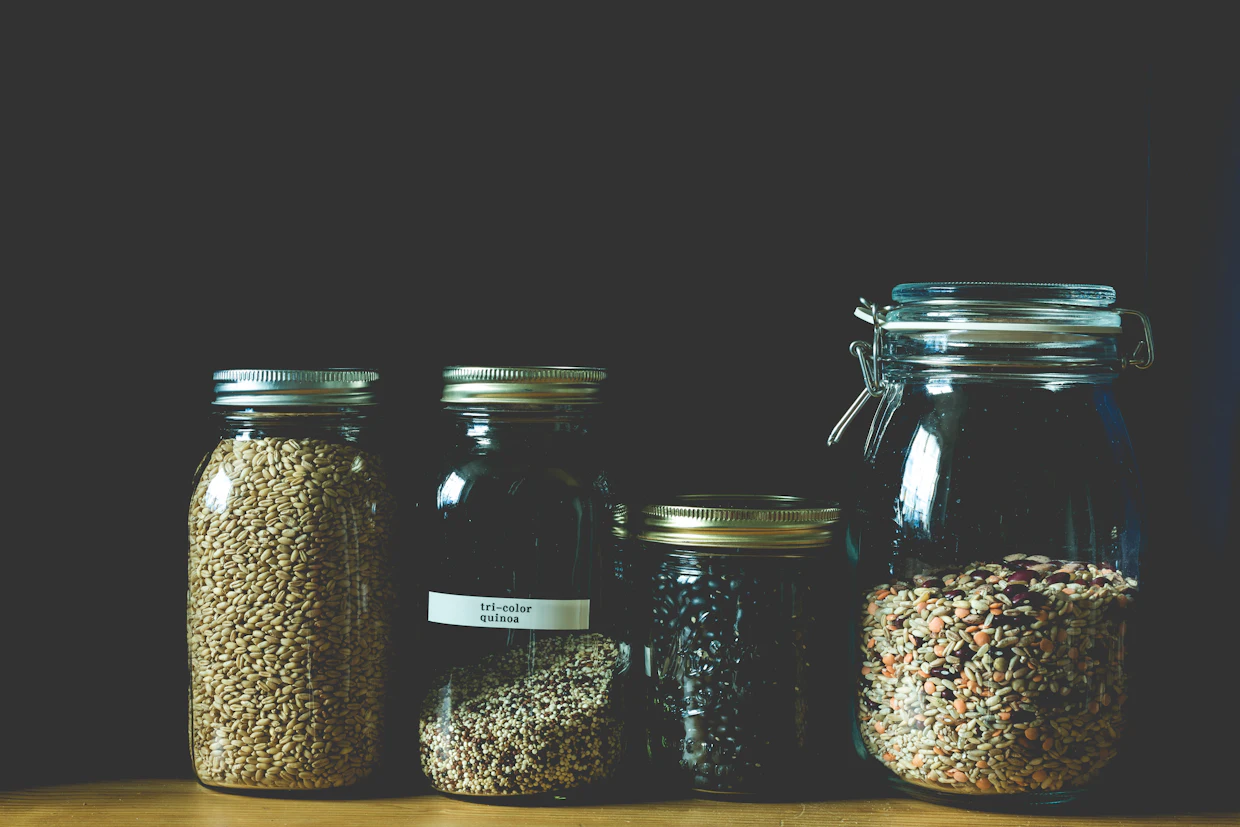
Soluble fibre dissolves into a gel. That gel slows the whole meal down, so the sugar from it arrives in your blood over a longer stretch instead of in one wave, and it binds some cholesterol on the way past. This is the kind that oats, barley, beans, lentils, apples, pears and psyllium are known for.
Insoluble fibre does not dissolve. It adds bulk and keeps things moving, which is the part people associate with the word. Wheat bran, whole grains, nuts, seeds and the skins of most vegetables and fruit.
You do not need to sort your groceries into two piles. It is enough to know that if you are eating for your post-meal numbers, beans and oats are pulling harder than lettuce is.
The same plate of food behaves differently depending on what else is on it.
How much, and how far off most people are
Health Canada’s recommended intake is about 25 grams a day for adult women and 38 grams for adult men. National survey data has consistently put average intakes in Canada at roughly half of that.
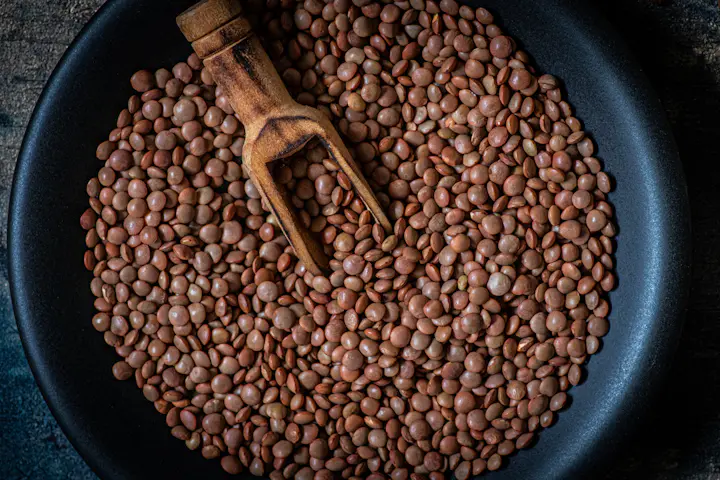
That gap sounds discouraging until you see it in food. Three quarters of a cup of cooked lentils carries somewhere around 9 grams. A half cup of black beans is in the same territory. A pear with the skin on, a bowl of oats, a slice of dense whole grain bread: each is a couple of grams, and they add up faster than the numbers suggest.
Nobody needs to hit the target this week. Going from the low teens to the low twenties is most of the benefit, and it is a change of two or three items, not a new way of eating.
Where it actually comes from
In rough order of how much work they do:
- Beans, lentils and chickpeas. Nothing else on this list is close. Canned is fine, rinsed.
- Oats and barley, which are the soluble ones worth having on hand.
- Whole grains, where the label says whole grain first rather than enriched wheat flour.
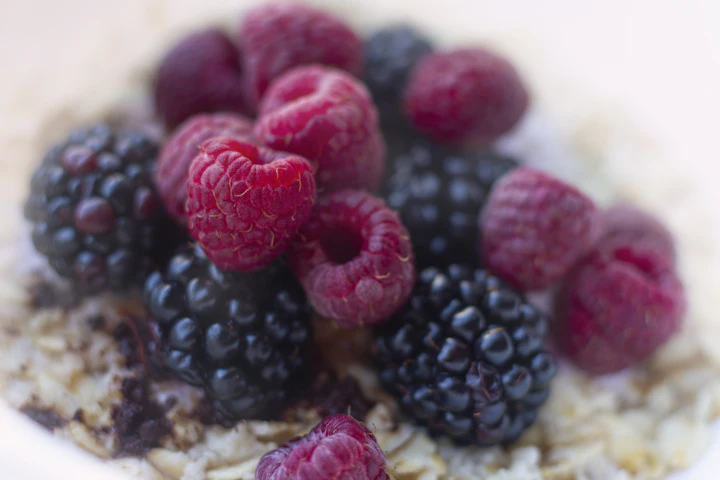
- Fruit with the skin on, and berries in particular.
- Vegetables, especially the stalks, skins and stems people trim off.
- Nuts, seeds and ground flaxseed, which is easy to add to something you already eat.
Two things that look like fibre and mostly are not: juice, which leaves the fibre behind in the machine, and bread that is brown because of colour rather than grain.
Go slower than you want to
The most common way this goes wrong is enthusiasm. A large jump in fibre over a couple of days reliably produces gas, bloating and cramping, people conclude fibre disagrees with them, and that is the end of it.
Add one thing at a time, give it four or five days, then add the next. Drink more water as you go, because fibre works with fluid and is uncomfortable without it. The discomfort of a gradual increase is mild and passes; the discomfort of a sudden one is memorable.
Worth a word with your care team
Most people can add fibre to their meals without asking anyone. Three situations are different, and they are worth naming.
Timing around medication. Fibre supplements, psyllium especially, can interfere with how some medications are absorbed if they are taken together. Levothyroxine for the thyroid is the one most often affected, and some diabetes and blood pressure medications can be too. The usual advice is to separate a fibre supplement from your medications by a couple of hours, but your pharmacist can tell you exactly where yours sits. Ask before you start one.
If your medication lowers your blood sugar. Meals with more fibre often produce a smaller rise afterwards. That is the point, and for someone taking insulin or a sulfonylurea such as gliclazide, glyburide or glimepiride, it can also mean readings that come in lower than they used to. Bring your readings to your care team, who can look at whether anything needs adjusting. Any change to a dose is a decision for the person who prescribed it.
If your gut has a history. Talk to your care team first if you have had a bowel obstruction or a narrowing of the bowel, if you have Crohn’s disease or ulcerative colitis, if you have gastroparesis, which is slowed stomach emptying that can come with long standing diabetes, or if swallowing is difficult. In some of those, extra fibre is genuinely the wrong move, and in others it is the right one done differently.
Separately, call your care team rather than reaching for fibre if you have blood in your stool, a change in your bowel habits that has lasted more than a couple of weeks, unexplained weight loss, or pain with it. Those need looking at on their own terms.
One small place to start
Pick one meal you eat most weeks and add one fibre item to it, without taking anything away. A can of lentils into the soup or the sauce. Oats instead of the cereal three mornings. The pear with the skin left on.
Give it a week before you add the second thing. If you check your blood sugar, take a reading about two hours after that meal a few times, before and after the change, and see whether the shape of it moves.
If you are a 360Care member, tell your care team which meal you picked and message a photo of what you added. Your dietitian will tell you where the next easy few grams are hiding in the food you already buy.