
Travel, and the bag your medication belongs in
The hold of an aircraft gets cold enough to ruin insulin, and suitcases go missing. That is the easy part of travelling with something to manage.
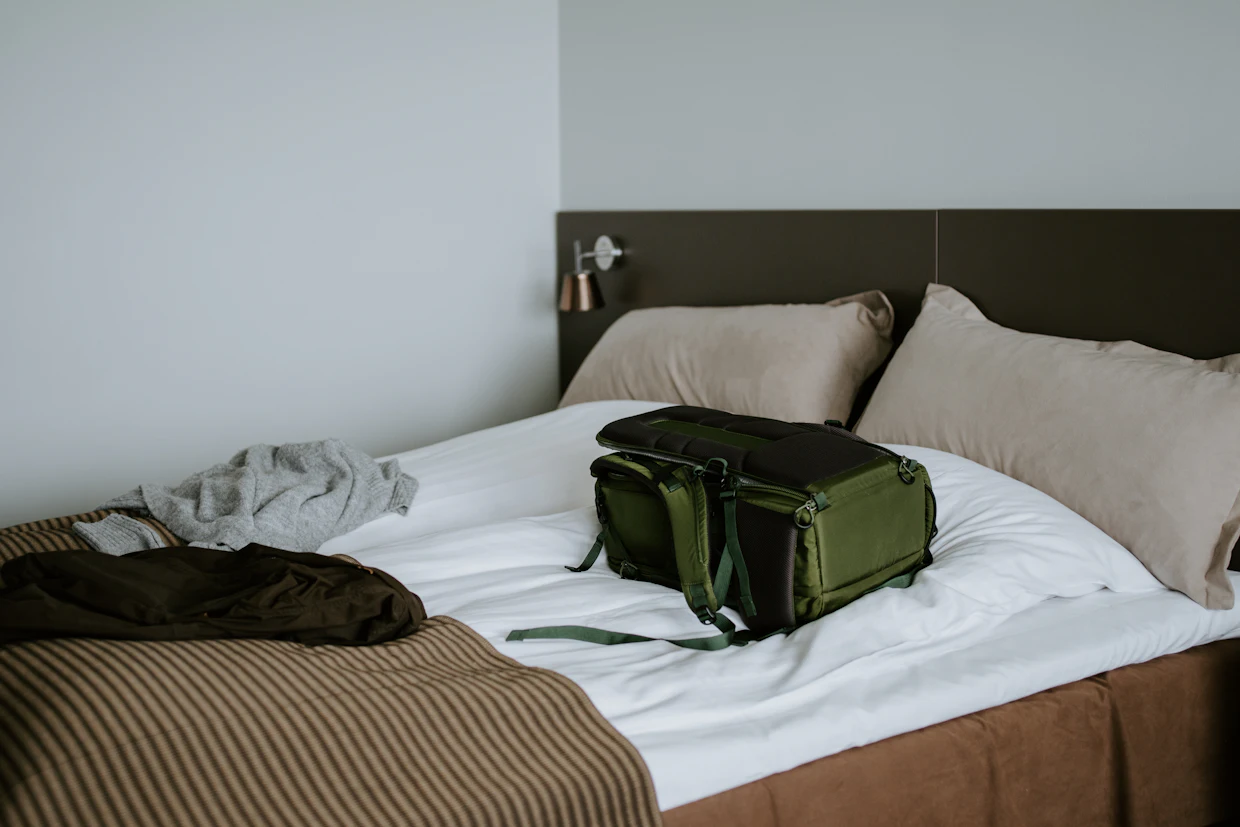
The flight is at six in the morning. The suitcase is open on the bed and it is mostly done.
What is not done is the part that is not really packing. The pharmacy run you meant to make on Thursday. The question about the six hour time difference you meant to ask someone. The letter you have heard you might need at security.
None of it is complicated. All of it is far easier three weeks out than the night before.
Everything that matters goes in your carry-on
This is the one rule here with no exceptions.
Checked bags get delayed and occasionally lost, and you can replace socks anywhere. You cannot always replace a prescription in a country where it has a different name, or on a Sunday, or without a local prescriber. The hold of an aircraft is also cold, and insulin that has frozen is ruined without looking any different afterwards.
So all of the medication and all of the supplies go in the bag that stays with you. Not some in each. Bring more than the trip needs, too: flights get cancelled, borders are slow, and pharmacies close for holidays you did not know about.
Keep everything in its original pharmacy packaging with the label on it. The label is what makes a box of pens obviously yours and obviously prescribed. Ask your prescriber for a short letter listing what you take and any devices you carry, particularly needles, pens, a pump or a sensor. On most trips it sits in the bag unread. On the trip where it does not, it saves you an hour.
One more piece of paper worth having: your medication list written with generic names rather than brand names. Brand names differ between countries, and a pharmacist somewhere else may not recognise yours.
Pack the medication the way you pack the passport. Nearly everything else in the bag is replaceable.
The conversation to have before you pack
Crossing time zones changes the gap between your doses, and there is no general answer to what to do about that. Someone taking metformin twice a day has a different problem from someone on a long acting insulin, and someone on a pump has a different problem again. The direction matters too, because flying east shortens your day and flying west lengthens it.
This is the single thing most worth asking about before you go, and it is a question for whoever prescribes for you. Not for an article, and not for the internet at the departure gate. Bring your itinerary with the departure and arrival times and the time difference, and ask for a plan in writing. Do not work it out on the plane.
While you are asking, ask two more things: what your sick day plan is, if you do not already have one written down, and whether anything you take needs particular care in heat.

Security is usually less trouble than people expect. Insulin, pens, needles, meters, sensors and pumps all travel, liquids carried for medical reasons are handled differently from the usual limit, and declaring them at the start of screening goes better than having them found. Some pump and sensor manufacturers say their device should not go through certain scanners and should be hand inspected instead. That instruction comes from the maker of your device, so look yours up before you leave rather than negotiating it in the line.
Heat, cold, and the things that quietly ruin a supply
Insulin does not tolerate extremes. Left in a hot car, in direct sun on a balcony, or in a beach bag for an afternoon, it degrades, and once again it does not look any different afterwards. A cool bag keeps it in range on a long travel day, but not pressed against a frozen pack, because frozen insulin is finished. The same applies in the other direction on a winter trip: nothing stays in a checked bag or a cold car overnight.
Meters and sensors have operating temperature ranges of their own. If yours has been sitting in the sun, let it come back to room temperature before you trust what it tells you.
And your feet. New sandals, long walking days on unfamiliar ground and hot pavement produce blisters and rubbed spots much faster than an ordinary week does, and a foot with any loss of sensation will not report it. Break shoes in at home, and look your feet over at the end of each day the way you would at home.
When your stomach turns on the third day
An upset stomach is an ordinary travel event, and it is more than an inconvenience when you take certain medications. Not being able to keep fluids down is the part that matters: dehydration is hard on the kidneys, and it changes how some medications behave. If you take an SGLT2 inhibitor such as empagliflozin, dapagliflozin or canagliflozin, a dehydrating illness carries a specific risk of diabetic ketoacidosis, which can develop at blood sugar readings that look close to normal. Metformin is another where teams usually give instructions for a day of vomiting or diarrhea, and so are ACE inhibitors such as ramipril and perindopril, ARBs such as losartan and telmisartan, and diuretics.
Those instructions exist and they are specific to what you take. Get yours in writing before you leave and keep them with the letter. What none of this means is that you decide anything about a dose yourself on a hotel bathroom floor. It means you already know what your team wants you to do, and who to call.
Carry fast acting sugar in your pocket rather than the suitcase if you take insulin or a sulfonylurea such as gliclazide, glyburide or glimepiride. A sightseeing day involves far more walking than an ordinary week, heat adds to it, and a low can arrive when you are nowhere near your room.
Worth a word with your care team
Before you go: the time zone plan, the sick day plan, the letter, and one thing that catches people out. Many travel insurance policies have a stability clause about pre-existing conditions, and a recent change to your medication can fall inside it. Read the wording and phone the insurer to confirm rather than discovering it at a claim.
While you are away, get emergency care wherever you are for vomiting you cannot stop, deep or rapid breathing, drowsiness or confusion, breath that smells fruity, chest pain or pressure, or sudden weakness, drooping or trouble speaking. Look up the local emergency number when you land, because it is not 911 everywhere.
Message your care team, rather than an emergency room, for readings running high or low in a way you cannot explain, a blister or sore on your foot that is not settling, or a supply problem: a lost bag, a pen that got hot, a pharmacy that will not fill something.
One small place to start
Put one entry in your calendar for three weeks before you next travel, or today if that date has already gone by: message your prescriber about time zones and sick days.
Then write your medication list with generic names in the notes app on your phone and photograph the labels. Two minutes, and it is the thing you will actually reach for.
If you are a 360Care member, send your dates and your destination to your care team in the app before you go. We would much rather sort out the letter and the plan now than hear from you at an airport.